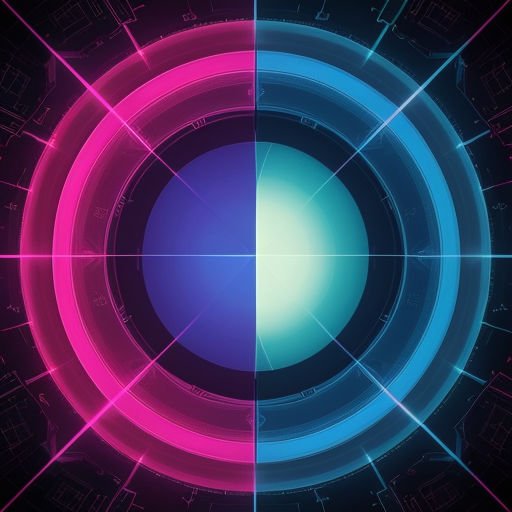
When Minds Collide The Trippy Truth About 70s Sci-Fi Mind-Melds
The Enigmatic Power of Mind Melds in Alien Encounters
When exploring the vast realm of alien encounters and first contact scenarios in science fiction, one concept stands out for its intriguing blend of psychology, empathy, and science: mind melds. These deep, often telepathic connections bridge the gap between species, allowing for a profound exchange of thoughts, emotions, and memories. Not merely a plot device, mind melds provoke us to consider the possibilities of communication beyond language and physical interaction. They beckon us to imagine what it might truly mean to connect with an alien consciousness, transcending barriers that conventional dialogue cannot overcome.
This article dives into the concept of mind melds, unpacking their role in cinematic depictions of alien contact, their significance in the broader context of understanding the unknown, and how they challenge our perceptions of sentience and identity.
Mind Melds as a Communication Tool in Alien Encounters
Science fiction has long used mind melds to symbolize the ultimate form of understanding—a direct link between minds that bypasses all outward noise. But what makes mind melds uniquely compelling when it comes to first contact stories?
The Science and Fiction Behind Mind Melds
Mind melds are often portrayed as telepathic linkages where two beings share memories, thoughts, and feelings instantaneously. While purely speculative from a scientific standpoint, these depictions echo real-world scientific pursuits like brain-computer interfaces and neural coupling, which seek deeper forms of interaction between minds and machines.
In films such as “Scanners,” mind meld-like scenes reveal the terrifying potential of uncontrolled telepathic powers, showing that when minds connect too deeply, it can cause psychological trauma or even physical harm. This duality—communication versus danger—adds depth and tension to narratives.
Examples from Classic Sci-Fi
– In “Star Trek,” the Vulcan mind meld is a signature technique, allowing species to share memories or soothe pain, emphasizing empathy and understanding.
– The 1981 film “Scanners,” directed by David Cronenberg, showcases characters with extraordinary telepathic abilities, where mind melds can unleash immense destructive power.
These portrayals encourage audiences to ponder the risks and rewards of such intimate connections, raising questions about consent, privacy, and identity.
Mind Melds and the Ethics of First Contact
With mind melds bringing minds closer than ever, ethical quandaries naturally emerge. Is it right to intrude on another being’s thoughts, no matter how noble the intent? How do these connections affect individual autonomy?
Consent and Privacy in Mental Connections
The idea of mind melds forces us to confront the ultimate invasion of privacy. Unlike spoken communication, a mind meld could expose the deepest fears, memories, or secrets with no filter or defense.
In many stories, ethical dilemmas arise around the use of mind melds:
– Should consent be mandatory before initiating a mental link?
– What are the consequences of involuntary mind melds?
These questions make mind melds a fertile ground for exploring morality in first contact scenarios.
Psychological Impact
Sharing thoughts directly can lead to profound mutual understanding, but also psychological distress. Characters in sci-fi often experience identity confusion or trauma after mind melds, highlighting potential risks.
This mirrors real-world concerns about technology that interfaces directly with the brain, where privacy breaches or overwhelming sensory input could have damaging effects.
Mind Melds and the Evolution of Alien Narratives
As alien encounters evolve in popular culture, so too does the portrayal of mind melds. From sinister powers to acts of healing, these connections have come to symbolize much more than simple telepathy.
From Fear to Empathy
Early depictions often painted telepathic links as threatening or invasive. “Scanners” famously emphasizes the fear and chaos unleashed by uncontrolled mental powers. However, contemporary narratives increasingly frame mind melds as tools for peace and understanding.
Mind melds can dissolve prejudices and foster empathy by literally showing one alien’s experience to another species. This evolution reflects broader societal shifts towards valuing communication and reconciliation over fear of “the other.”
Expanding the Boundaries of First Contact
Mind melds challenge the conventions of dialogue and symbolic exchange in alien stories, proposing that true first contact might require merging minds rather than simply exchanging words or gestures.
They also stimulate creativity, inspiring stories where mental connections transcend species, dimensions, or even time—a concept that continues to captivate audiences and writers alike.
Behind the Scenes: The Influences Shaping Mind Meld Depictions
Understanding how and why filmmakers and authors portray mind melds helps reveal their deeper cultural and philosophical significance.
David Cronenberg’s Vision in “Scanners”
“Scanners” broke new ground by showing mind melds through striking visual effects and intense psychological drama. Cronenberg’s fascination with the limits of control and the duality of power and vulnerability is evident in how he frames mind melds.
His work draws on fears surrounding the invasion of privacy and loss of self-control, themes that resonate with audiences facing rapid advances in technology and surveillance today.
The Role of Psychology and Neuroscience
Many narratives borrow from psychological concepts such as empathy, shared unconscious, or collective memory, giving mind melds a basis in human experience despite their speculative nature.
Research into mirror neurons, brain synchronization, and even psychedelic experiences inspires storytellers to depict mind melds not just as fantasies but as metaphors for real connection.
Mind Melds in Popular Culture: Beyond Alien Contact
While most associated with sci-fi alien stories, the notion of mind melds has permeated other genres and media, expanding its cultural footprint.
Telepathic Connections in Other Media
– Comics and graphic novels often use mind melds to explore characters’ inner turmoil and relationships.
– Video games simulate mind melds by offering players immersive experiences from perspectives of different characters or species.
– Television shows like the aforementioned “Star Trek” use mind melds to resolve conflicts or reveal hidden truths, making them a recurring narrative device.
Influence on Real-World Technology
The fascination with mind melds also reflects and influences scientific endeavors. Technologies aiming for brain-to-brain communication or advanced empathy training can be seen as attempts to realize the dream of mind melds.
Understanding this bidirectional influence enriches our perspective on how fiction shapes and is shaped by scientific aspirations.
Why Mind Melds Matter: The Future of Alien Encounters
Looking ahead, mind melds offer fertile ground for exploring what truly connects sentient beings. They challenge us to expand our definitions of communication and consider new forms of coexistence.
– Mind melds underscore that alien encounters might involve sharing experiences, not just exchanging words.
– They invite speculation on how advances in neural technology might one day enable forms of telepathy or empathy previously relegated to fiction.
– As humanity considers its place in a wider cosmic community, mind melds symbolize the hope—and risk—of truly meeting an “other.”
Explore more on the philosophy of first contact and mind communication at the [SETI Institute](https://www.seti.org).
Reflecting on the Mind Meld Phenomenon
Mind melds remain one of the most evocative and provocative themes in alien encounter narratives. They embody the tensions between intimacy and intrusion, knowledge and vulnerability, power and empathy. These connections challenge characters and audiences alike to rethink what it means to communicate and understand.
If science fiction teaches us anything, it’s that the greatest encounters may not be about what beings say but what they share—sometimes at the deepest, most literal level of mind melds. As you dive into your next alien encounter story or simply muse on the possibilities of extraterrestrial life, consider the mind meld as a powerful symbol of connection that transcends boundaries.
Are you fascinated by the idea of mind melds? Share your favorite mind meld moments or alien encounter stories in the comments below. And keep exploring the mysteries of first contact—who knows what new forms of communication await discovery?











Post Comment