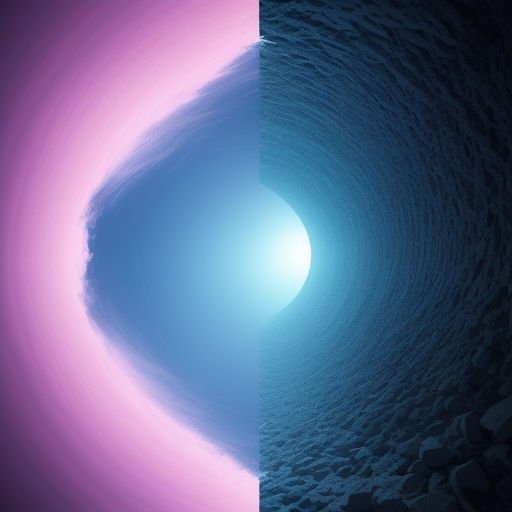
Dive Into Dreamception Where Simulations Live Inside Simulations
Diving Into The Labyrinth of Nested Simulations
Picture this: a reality that isn’t quite real, but a meticulously crafted artificial world layered within another. This is the enthralling concept of nested simulations—an idea that questions the very fabric of existence. The 1999 sci-fi thriller The Thirteenth Floor invites viewers to navigate through such a labyrinth, exploring realms within realms, challenging perceptions of reality. As we peel back the layers of this film, the notion of nested simulations emerges not just as a plot device, but as a profound reflection on technology, consciousness, and identity.
The Thirteenth Floor: A Glimpse Into Artificial Worlds
Released in 1999, The Thirteenth Floor is a pioneering film that blends mystery, science fiction, and philosophical inquiry. Directed by Josef Rusnak and based loosely on Daniel F. Galouye’s 1964 novel Simulacron-3, the movie offers a compelling story centered around simulated realities.
Plot Overview With a Twist
At its core, the film follows Douglas Hall, who discovers that the simulated 1937 Los Angeles within the computer program he helped develop is more than just code—it’s inhabited by sentient avatars unaware of their artificial nature. The layers of virtual realities unfold, revealing nested simulations that blur the line between the creator and the created.
Why It Stands Out Among 90s Sci-Fi
Unlike its contemporaries that often focused on dystopian futures or overt action, The Thirteenth Floor delves into the philosophical questions that define artificial worlds. It combines noir aesthetics with a cerebral narrative that remains relevant in today’s era of virtual and augmented realities.
Understanding Nested Simulations Through The Thirteenth Floor
Nested simulations refer to virtual environments embedded within other virtual environments—an idea The Thirteenth Floor exploits to great effect. This concept not only serves the storyline but also touches on technological and existential debates.
What Are Nested Simulations?
Simply put, a nested simulation is a simulation inside another simulation. This recursive idea suggests that realities can be layered indefinitely, each one potentially unaware of the one encapsulating it.
Examples of nested simulations include:
– Video game environments running inside larger games
– Virtual reality training modules within simulated spaces
– Theoretical universes within a simulated universe hypothesis
The Significance in the Film’s Narrative
In The Thirteenth Floor, nested simulations create a dizzying chain of realities where characters question who is real and who is artificial. This layering challenges the protagonist’s—and the audience’s—understanding of identity and existence, illustrating how simulations can trap the consciousness within multiple shells of illusory worlds.
The Science Behind Artificial Worlds and Nested Simulations
While The Thirteenth Floor is fictional, the ideas it explores align intriguingly with real scientific and philosophical discourse.
Simulated Reality Hypothesis
Philosophers like Nick Bostrom have posited that advanced civilizations could run simulations of their ancestors, making it plausible that we ourselves live in a simulation. Nested simulations take this hypothesis further—what if simulated beings create their own simulations?
The Role of Computing Power
The feasibility of nested simulations depends on exponential computing progress. The film creatively anticipates this, depicting a future where creating full sensory, historical artificial worlds is possible. Modern developments in quantum computing and AI hint at the idea becoming less far-fetched.
Exploring Identity and Consciousness Within Nested Simulations
The Thirteenth Floor raises profound questions about the nature of self in nested simulations, probing what consciousness means when the environment is artificial.
Are Simulated Beings Sentient?
In the film, characters inside the simulated 1937 world exhibit emotions, thoughts, and awareness, sparking debates about whether simulated entities can be truly sentient or mere programmed illusions.
Implications for Human Identity
If we consider the possibility of nested simulations, human identity becomes fluid. Are our experiences authentic if they occur in a layered artificial reality? The movie encourages viewers to reflect on their reality and encourages dialogue on digital existence.
The Thirteenth Floor’s Influence on Modern Sci-Fi and Tech Culture
Though overshadowed initially by films like The Matrix, The Thirteenth Floor carved a niche by examining nested simulations with a philosophical lens.
Legacy in Media
The movie influenced subsequent narratives that explore recursive realities, inspiring creators and audiences to think deeper about reality’s nature.
Relevance to Today’s Technology
With the rise of virtual reality, metaverses, and AI-driven characters, The Thirteenth Floor’s depiction of nested simulations resonates stronger than ever. The concept helps frame discussions about ethical AI, virtual identity, and the future of digital worlds.
Fun Facts and Unknown Details About The Thirteenth Floor
– The film’s visual style pays homage to classic noir films, blending futuristic themes with vintage aesthetics.
– It uses innovative CGI for the late 90s, especially in rendering the simulated 1937 environment.
– The Thirteenth Floor was one of the earliest films to explore simulated worlds before they became mainstream in cinema.
– Despite modest box office returns, it garnered a cult following, particularly among fans interested in philosophical sci-fi.
Deepening Your Understanding: Further Resources on Nested Simulations
For readers intrigued by nested simulations and artificial worlds, here are some recommended resources:
– Nick Bostrom’s paper on the Simulation Argument offers foundational insights ([link](https://www.nickbostrom.com/simulation.pdf)).
– The book “Simulacron-3” by Daniel F. Galouye, the novel on which the film is based, delves even deeper into simulated realities.
– Recent TED Talks on AI and virtual reality discuss where our tech may be headed in relation to simulated consciousness.
Embracing the Mind-Bending Reality of Nested Simulations
The Thirteenth Floor stands as an intriguing exploration of nested simulations, challenging conventional perceptions of what’s real and what’s artificial. Its engaging narrative and philosophical undertones remind us that our quest to understand reality may take us down infinite recursive paths.
As technology evolves and our capacity to create artificial worlds expands, reflecting on the lessons offered by the film becomes ever more important. Are we approaching an era where nested simulations could be commonplace? How will that reshape human experience and identity?
Dive into The Thirteenth Floor if you haven’t yet, and let yourself question the layers that might exist beyond your perception. Keep exploring, stay curious, and embrace the mind-bending possibilities that nested simulations unlock for science fiction and real-world technology alike.












Post Comment