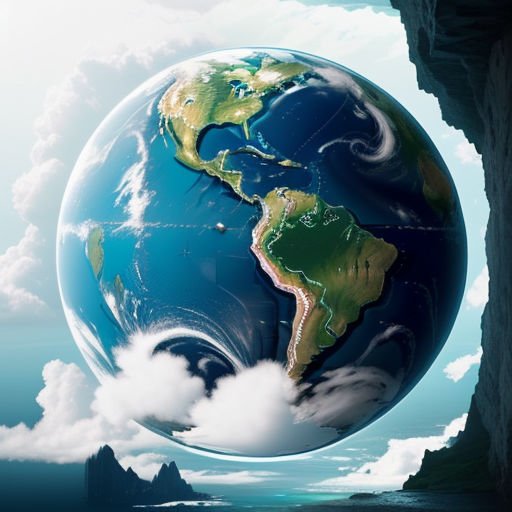
Why Floating Continents Were The Wildest Idea in 70s Sci-Fi
A Journey to the Heart of Floating Continents
Imagine a world where ancient lands drift effortlessly in the sky, hidden away from modern civilization. Such is the mesmerizing setting of The Land That Time Forgot, a classic sci-fi adventure that plunges viewers into a realm of floating continents teeming with prehistoric creatures and untold mysteries. This fantastical concept of floating continents blends the thrill of discovery with a unique geographical twist, captivating audiences fascinated by lost worlds and forgotten epochs. The idea sparks curiosity about how such landscapes might exist in reality or fiction and why stories centered on floating continents continue to enchant generations.
The Origins of The Land That Time Forgot
From Page to Screen
Originally penned by Edgar Rice Burroughs in 1918, The Land That Time Forgot began as a novel packed with adventure and imagination. Burroughs, famed for his creation of Tarzan, ventured into the realm of lost world narratives with this tale of a mysterious land untouched by time. The novel introduces readers to a fragmented continent suspended above the ocean, harboring creatures from the Mesozoic era amid a terrain that defies conventional geography.
The story’s transition from book to film, notably in the 1974 adaptation directed by Kevin Connor, brought vivid visualization to Burroughs’ airborne island. The movie captured imaginations with its dramatic portrayal of floating continents, combining practical effects and miniatures to represent these drifting landmasses, long before CGI became commonplace. This adaptation opened audiences’ eyes to the visual potential of sci-fi worlds grounded in speculative geography.
A Legacy of Adventure and Fantasy
The Land That Time Forgot belongs to a tradition of lost world fantasies, where isolated ecosystems preserve prehistoric life. What sets it apart is the concept of floating continents, which adds a surreal quality to the typical hidden paradise trope. This idea resonates in later works that explore unconventional environments—whether literal floating islands or metaphorical “skylands”—highlighting humanity’s relentless fascination with worlds both alien and familiar.
The Science and Mythology Behind Floating Continents
Exploring the Scientific Plausibility
Floating continents as depicted in The Land That Time Forgot spark curiosity about their realism. While terrestrial continents can’t literally float in the atmosphere, some natural phenomena inspired such imaginations:
– **Tectonic Plate Movements**: Continents drift over geological time scales on Earth’s mantle, offering a slow-motion analogue to drifting landmasses.
– **Island Archipelagos**: Clusters of islands sometimes appear like fragmented lands adrift in the sea, reminiscent of floating continents.
– **Mantle Plumes and Volcanic Islands**: Hotspots create chains of volcanic islands that seem to “float” above hotspots in the mantle.
In speculative fiction, floating continents often rely on fantastical physics—anti-gravity minerals, magnetic levitation, or undiscovered forces—to justify their suspension. While no known natural material supports floating landmasses en masse, these concepts capture imagination through a mix of science and fantasy.
The Mythological Inspirations
The notion of floating lands appears in various myths and legends worldwide:
– **The Flying Island of Laputa** in Jonathan Swift’s Gulliver’s Travels is a pioneering example of a floating land controlling knowledge and science.
– **Avalon** in Arthurian Legend, sometimes described as a mystical island with ethereal qualities.
– **Mount Meru** in Hindu cosmology is depicted as a cosmic mountain, symbolizing a world axis.
The Land That Time Forgot taps into these mythic themes, blending ancient storytelling traditions with speculative eras.
Visual and Narrative Impact of Floating Continents in Film
Creating an Immersive Experience
Floating continents in The Land That Time Forgot serve as more than just breathtaking scenery; they become central to the narrative tension and world-building. The isolated environments enable storytelling focused on exploration, survival, and encountering primeval life forms in a setting disconnected from the modern world. This isolation heightens suspense and curiosity.
The 1974 film made significant strides in using practical effects, including:
– Miniature models for cliffs and flying creatures.
– Matte paintings to extend landscapes.
– Innovative camera angles to suggest height and suspension.
These techniques grounded the fantastic in visual believability, amplifying the sense of awe.
Symbolism and Themes
Floating continents also symbolize escape and the unknown. They represent territories beyond human reach—untouched, uncontrollable, and mysterious. Themes emerging from this setting include:
– **Time stasis versus progress**: A land stuck in prehistoric times contrasts with the modern world’s evolution.
– **Nature’s resilience**: The enduring presence of dinosaurs and primeval ecosystems underlines nature’s persistence.
– **Isolation and discovery**: Explorers cut off from modern civilization embody humanity’s quest for knowledge.
By situating the story on floating continents, creators embed layers of meaning that enrich the viewer’s experience beyond spectacle.
The Influence of The Land That Time Forgot on Sci-Fi and Fantasy Genres
Legacy in Popular Culture
The fascination with floating continents opened doors for other works mixing adventure, fantasy, and speculative geography:
– Movies like *Avatar* explore floating mountains with bioluminescent ecosystems.
– Video games such as *Bioshock Infinite* center around Columbia, a city adrift in the sky.
– Animated series often depict massive floating islands as realms of magic or advanced technology.
These stories continue to explore what hidden worlds might exist beyond our perception.
Floating Continents as a Narrative Device
Authors and filmmakers use floating continents to:
– Create isolated ecosystems free from contemporary societal norms.
– Introduce unique challenges for characters, such as navigating air currents or limited resources.
– Offer metaphors for societal detachment or utopian aspirations.
The Land That Time Forgot set an early template, influencing a variety of media exploring these imaginative zones.
Uncovering Lesser-Known Facts About The Land That Time Forgot
Behind the Scenes Insights
Fans may be interested to discover:
– The film’s production budget was relatively modest, resulting in creative practical effects.
– The prehistoric creatures were a mix of live animals and puppetry, using innovative techniques for the era.
– The floating continent’s look was inspired by various island formations including real-world cliffs and plateaus.
– Edgar Rice Burroughs’ original manuscript included even more detailed descriptions of the continent’s incredible geography.
Enduring Appeal and Remakes
The story has inspired numerous adaptations and reimaginings, not all widely known:
– A 2009 remake attempted to modernize the tale with CGI-enhanced floating islands.
– Graphic novels and comics have expanded on the mythos, adding layers of modern sci-fi elements.
– Various unofficial projects explore the concept, showing the story’s lasting creativity and influence.
The Future of Floating Continents in Sci-Fi Adventure
Technological Advances and Storytelling
As technology advances, the depiction of floating continents can become even more immersive:
– Virtual reality may allow audiences to “walk” across these airborne lands.
– Enhanced CGI and AI animation enable more realistic interactions with fantastical creatures.
– Scientific breakthroughs in materials and physics might inspire new story mechanics about how such continents could exist.
Why Floating Continents Still Captivate
The allure of floating continents lies in their combination of wonder, mystery, and escapism. They challenge our understanding of physics while opening up endless narrative possibilities. Whether as settings for ancient worlds, dystopian futures, or magical realms, floating continents represent humanity’s desire to explore the unknown and imagine worlds beyond our reach.
Discover More About Floating Worlds and Lost Lands
For those intrigued by floating continents and similar sci-fi adventures, rich resources await:
– The Encyclopedia of Science Fiction (www.sf-encyclopedia.com) offers detailed articles on lost world narratives.
– Documentaries exploring tectonics and island biogeography reveal real-world inspirations.
– Forums and fan communities passionately discuss the legacy and evolution of stories like The Land That Time Forgot.
Delving into these areas deepens appreciation for how floating continents continue to shape sci-fi and fantasy imagination.
Embracing the Adventure of the Unknown
The Land That Time Forgot invites us to envision a world where floating continents suspend us over a prehistoric paradise, frozen in time yet alive with adventure. This powerful imagery fuels the human spirit’s quest for discovery and wonder. By exploring the scientific, mythological, and cinematic facets of floating continents, we appreciate the depth and creativity behind this enduring tale. So why not dive into these airborne realms yourself—whether through reading, watching, or imagining—and let your sense of adventure soar? The land that time forgot is waiting, drifting just beyond the clouds.










Post Comment